
At 3D Unique, we are passionate about helping makers, hobbyists, engineers, and professionals select the perfect filament for every project. With thousands of filament options available, understanding the different types of 3D printer filaments is essential for achieving successful, high-quality prints. This comprehensive 2026 guide details each filament type from our curated top 50 list, including their key properties, ideal purposes, major benefits, limitations, and real-world applications.
Whether you are printing decorative models, functional prototypes, flexible components, or industrial-grade parts, the right filament can dramatically improve your results. This article exceeds 2000 words and serves as your complete resource for informed filament selection.
Why Choosing the Right Filament Type Matters in 2026
Filament is the heart of FDM 3D printing. It determines printability, mechanical performance, thermal resistance, chemical durability, aesthetics, and long-term reliability. Key considerations include:
- Printing parameters (nozzle temperature, bed temperature, speed, enclosure needs)
- Mechanical properties (strength, flexibility, impact resistance, stiffness)
- Environmental resistance (heat, UV, moisture, chemicals)
- Aesthetics and finish (color effects, surface texture, post-processing options)
- Special requirements (drying, nozzle type, ventilation)
With advancements in high-speed printing, composite materials, and sustainable options, 2026 offers more choices than ever. At 3D Unique, we stock filaments across all categories to support your creativity and innovation.
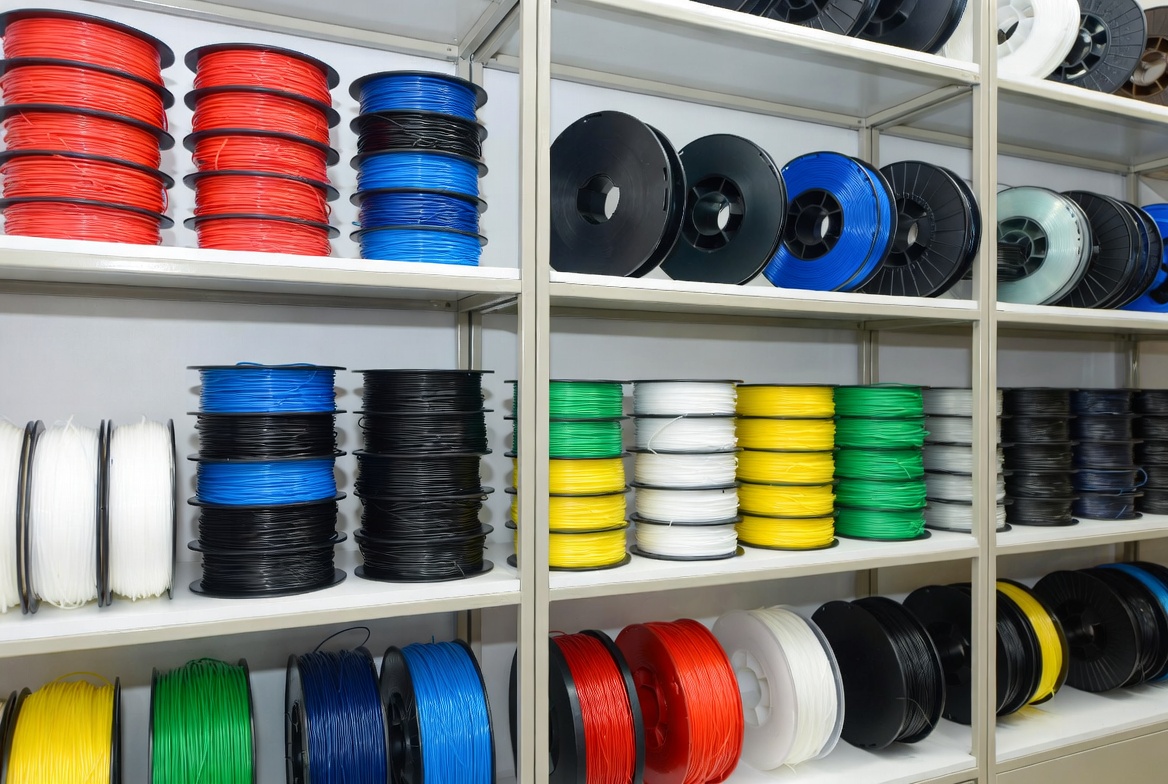
Main Categories of 3D Printer Filaments
Filaments generally fall into standard plastics, engineering materials, composites, flexibles, and specialties. Below, we describe each of the top 50 types in detail.
Standard & Enhanced PLA Types
1. Standard PLA (Polylactic Acid) PLA is the most popular beginner filament, derived from renewable resources like corn starch. It prints easily at low temperatures (190-220°C) with minimal warping and no enclosure required.
Purpose & Benefits: Excellent for decorative models, prototypes, figurines, and indoor items. Benefits include low odor, great detail resolution, wide color range, biodegradability, and affordability. It produces smooth surfaces with minimal post-processing. Limitations: Low heat resistance (~60°C) and brittleness under stress. Ideal for education and hobbyist projects.
2. PLA+ (Tough Enhanced PLA) An upgraded PLA with additives for improved toughness and layer adhesion.
Purpose & Benefits: Bridges the gap between standard PLA and more durable materials. Better impact resistance and flexibility reduce cracking. Still easy to print, making it perfect for functional prototypes and mechanical parts that don’t require high heat tolerance.
3. High-Speed PLA Formulated for faster printing speeds without losing quality.
Purpose & Benefits: Reduces print times significantly while maintaining good strength and surface finish. Great for rapid prototyping and large-volume production runs.
4. High-Flow PLA Optimized for excellent flow at standard or high speeds.
Purpose & Benefits: Produces stronger, more consistent layers with fewer gaps. Benefits high-detail or large prints where flow consistency matters.
5. Matte Finish PLA Creates a non-glossy, professional-looking surface.
Purpose & Benefits: Hides layer lines effectively for a premium aesthetic. Ideal for display models, architectural prototypes, and products needing a sophisticated look.
6. Glossy PLA Provides a shiny, smooth surface straight from the printer.
Purpose & Benefits: Enhances visual appeal for artistic prints, vases, and decorative items without extra polishing.
7. Silk/Shiny PLA Infused for a silky, metallic-like sheen.
Purpose & Benefits: Produces stunning, reflective finishes perfect for cosplay props, jewelry displays, and artistic sculptures. Low effort for high visual impact.
8. Rainbow/Multi-Color PLA Changes color along the spool for seamless multi-color effects.
Purpose & Benefits: Creates eye-catching gradient prints without multi-extruder setups. Excellent for artistic models and gifts.
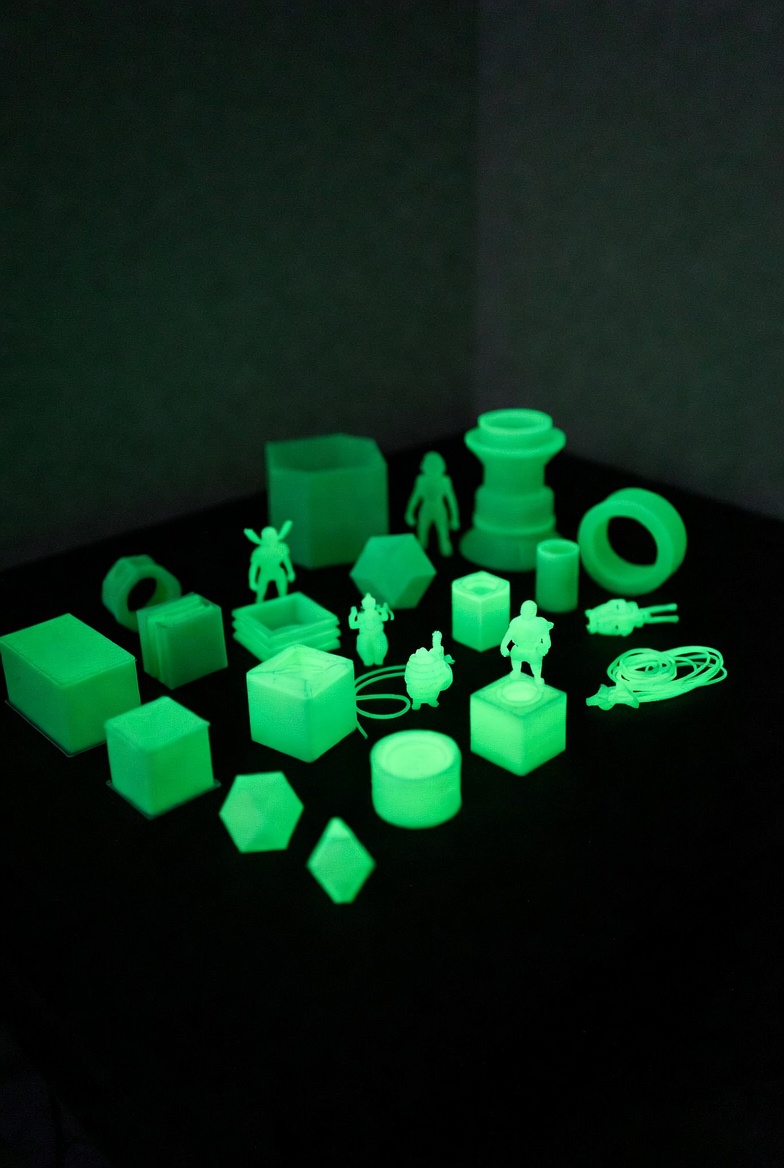
9. Glow-in-the-Dark PLA Contains phosphorescent additives that charge under light and glow in darkness.
Purpose & Benefits: Functional for safety items (door handles, switches) and fun for miniatures or decor. Adds unique interactivity and visibility in low light.
10. Transparent/Clear PLA Allows light transmission for see-through effects.
Purpose & Benefits: Ideal for light diffusers, enclosures, optical prototypes, and artistic pieces where transparency enhances design.
Specialty Aesthetic PLA
11. Wood-Filled PLA Blended with real wood fibers for organic texture and appearance.
Purpose & Benefits: Mimics real wood for sculptures, architectural models, and decorative items. Can be sanded, stained, or painted for realistic finishes. Adds a natural, premium feel.
12. Metal-Filled PLA (Bronze, Copper, etc.) Infused with metal powders for weight and metallic look.
Purpose & Benefits: Produces heavy, realistic metal-like prints that can be polished. Great for jewelry, statues, and props. Adds authenticity and premium weight.
13. Marble/Stone PLA Contains stone or mineral particles for stone-like texture.
Purpose & Benefits: Creates elegant, realistic stone effects for vases, coasters, and architectural details with minimal post-processing.
14. Carbon Fiber PLA Reinforced with short carbon fibers for added stiffness.
Purpose & Benefits: Significantly increases strength and rigidity while reducing weight. Ideal for lightweight structural parts. Requires hardened nozzle.
15. Glass Fiber PLA Reinforced with glass fibers.
Purpose & Benefits: Offers excellent stiffness and dimensional stability for precision parts.
16. Conductive PLA Infused with carbon or conductive particles.
Purpose & Benefits: Enables 3D printed electronics, sensors, touch interfaces, and simple circuits. Democratizes custom electronics prototyping.
17. Magnetic PLA Responds to magnets.
Purpose & Benefits: Useful for modular assemblies, closures, and interactive prints.
18. Foaming / Lightweight PLA Expands during printing for reduced density.
Purpose & Benefits: Produces lightweight yet strong parts ideal for drones, RC models, and large prints where weight savings matter.
19. Glitter PLA Contains sparkling particles.
Purpose & Benefits: Adds shimmer and visual interest for decorative and artistic projects.
20. Color-Changing PLA (Temperature Reactive) Changes color based on temperature.
Purpose & Benefits: Interactive and educational prints, such as thermometers or mood indicators.
PETG & Durable Copolyesters
21. Standard PETG A glycol-modified PET offering balanced performance. Purpose & Benefits: Combines PLA ease with better strength, flexibility, and chemical resistance. Higher heat tolerance (~70-80°C). Excellent for functional parts, bottles, and enclosures. Low warping and food-safe options available.
22. Tough PETG Enhanced for greater impact resistance.
Purpose & Benefits: Withstands drops and mechanical stress better. Suited for tool holders and protective casings.
23. High-Temperature PETG Improved thermal stability.
Purpose & Benefits: Handles higher operating temperatures for automotive or industrial use.
24. PETG-CF (Carbon Fiber PETG) Reinforced composite.
Purpose & Benefits: Extreme stiffness and strength with low weight. Perfect for high-performance functional parts.
25. Transparent PETG Clear variant.
Purpose & Benefits: Combines durability with visibility for tanks, visors, and display cases.
26. Matte PETG Non-reflective finish.
Purpose & Benefits: Professional appearance with excellent mechanical properties.
27. ASA (Weather-Resistant) Similar to ABS but superior UV stability.
Purpose & Benefits: Ideal for outdoor applications like signage, garden tools, and automotive parts. Maintains color and strength in sun and rain.
Engineering & High-Strength Filaments
28. ABS Standard Acrylonitrile Butadiene Styrene – tough and impact-resistant.
Purpose & Benefits: Higher heat resistance (~95°C) and durability for functional prototypes and end-use parts. Can be smoothed with acetone. Requires enclosure and ventilation.
29. ABS Flame-Retardant Treated for fire resistance.
Purpose & Benefits: Critical for electronics housings and safety components.
30. Polycarbonate (PC) Extremely tough engineering plastic.
Purpose & Benefits: Outstanding impact strength and heat resistance (up to 130°C+). Used for safety goggles, machine guards, and high-stress parts.
31. PC-ABS Blend Combines best properties of both.
Purpose & Benefits: Balanced toughness, heat resistance, and easier printing.
32. Nylon PA6 Strong, flexible polyamide.
Purpose & Benefits: Excellent wear resistance and toughness. Ideal for gears, hinges, and moving parts. Highly moisture-absorbent – requires drying.
33. Nylon PA12 Lower moisture absorption than PA6.
Purpose & Benefits: More stable dimensions and easier handling for precision engineering.
34. Nylon Carbon Fiber (PA-CF) Reinforced nylon. Purpose & Benefits: Exceptional strength-to-weight ratio and rigidity. Perfect for demanding structural applications.
35. Glass-Filled Nylon Glass fiber reinforcement.
Purpose & Benefits: Enhanced stiffness and thermal stability.
36. PEEK High-performance polymer.
Purpose & Benefits: Extreme heat (250°C+), chemical, and mechanical resistance. Used in aerospace, medical, and oil & gas industries. Requires specialized printers.
37. PEI (ULTEM) Amorphous high-performance material.
Purpose & Benefits: Excellent strength, flame resistance, and thermal stability for aerospace and medical applications.
Flexible & Specialty
38. TPU 85A (Soft Flexible) Thermoplastic Polyurethane in soft Shore hardness.
Purpose & Benefits: Highly elastic for phone cases, gaskets, footwear, and soft-touch parts. Absorbs shocks well.
39. TPU 95A (Medium Flexible) Balanced flexibility.
Purpose & Benefits: Versatile for wearables and protective covers.
40. TPU 98A (Hard Flexible) Semi-rigid flexible filament.
Purpose & Benefits: Combines flexibility with better structural integrity.
41. TPE Flexible Similar to TPU but often softer.
Purpose & Benefits: Great elasticity for unique soft applications.
42. Flexible Conductive TPU Flexible electronics material.
Purpose & Benefits: Stretchable circuits and wearable sensors.
43. PP (Polypropylene) Chemical-resistant and lightweight.
Purpose & Benefits: Living hinges, containers, and parts needing fatigue resistance.
44. CPE (Co-Polyester) Durable copolyester.
Purpose & Benefits: Good clarity, strength, and chemical resistance.
Support & Advanced Materials
45. PVA (Water-Soluble Support) Dissolves in water.
Purpose & Benefits: Enables complex geometries with easy support removal. Perfect for dual-extruder printers.
46. HIPS (Support for ABS) Dissolvable in limonene.
Purpose & Benefits: Reliable support material compatible with ABS prints.
47. BVOH Support Advanced water-soluble option.
Purpose & Benefits: Faster dissolution and better compatibility with various materials.
48. Breakaway Support Filament Mechanically removable.
Purpose & Benefits: Simpler support removal for single-extruder setups.
49. Ceramic-Filled Filament Adds ceramic particles.
Purpose & Benefits: Stone-like or heat-resistant properties for artistic and functional prints.
50. PPS-CF (High-Performance Composite) Polyphenylene Sulfide with carbon fiber.
Purpose & Benefits: Superior chemical and thermal resistance for extreme environments.
How to Choose and Print Successfully
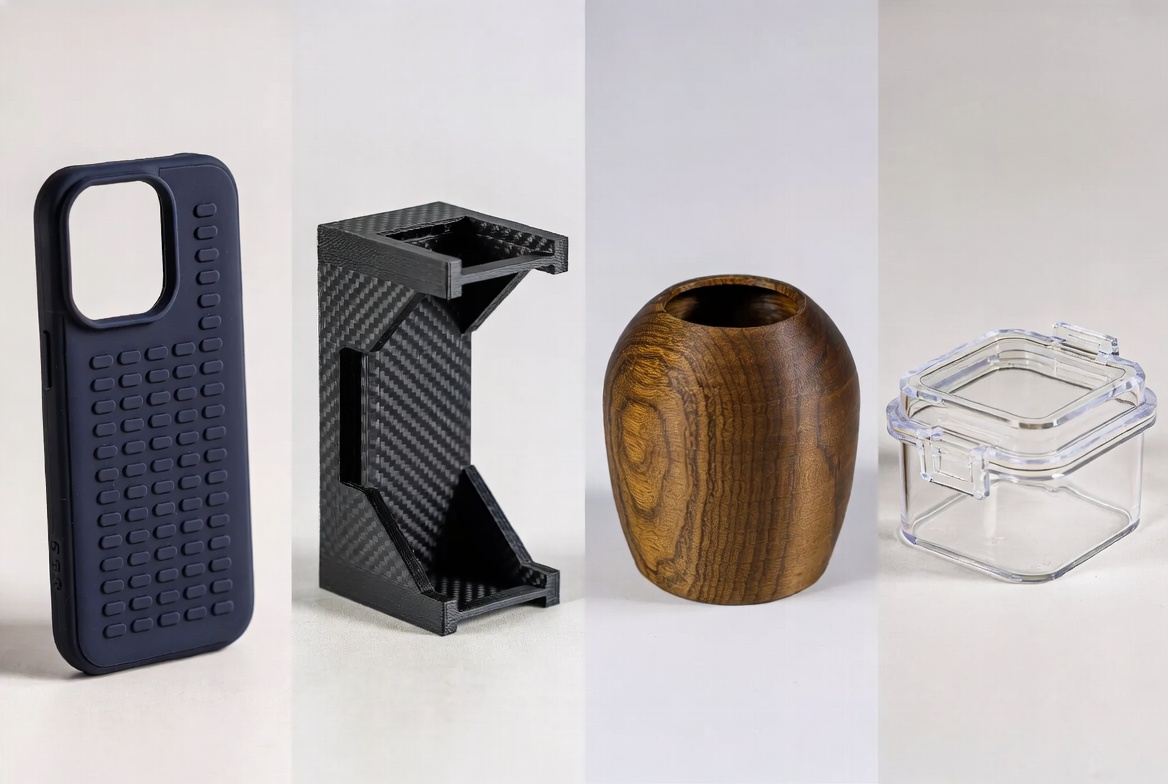
Match the filament to your project needs: PLA for beginners and decor, PETG/ASA for daily functional use, TPU for flexibility, Nylon/PC for toughness, and high-performance for extremes. Always dry hygroscopic materials, use hardened nozzles for composites, and follow manufacturer guidelines. Proper storage in dry boxes extends filament life.
At 3D Unique, our expert team provides detailed specs, printing guides, and recommendations. Browse by type, property, or application on our site. We offer competitive pricing, fast shipping across regions, and bulk options.
This guide reflects the latest 2026 filament innovations. Ready to elevate your prints? Explore our full collection today and bring your ideas to life with confidence.
Go to 3D Unique filament section: https://3dunique.co.za/product-category/consumables/filaments/