
In the fast-paced world of 3D printing, choosing the right filament can make or break your project. As a leading manufacturer, Creality offers an extensive range of filaments designed for everything from beginner-friendly prints to high-performance engineering applications. Whether you’re searching for Creality filament options for your Ender-3, K1 series, or other printers, this guide covers it all. We’ll dive into the specifications, benefits, and drawbacks of each type, recommend the best filaments for specific projects, and explain why certain ones might not suit your needs. By the end, you’ll know exactly which Creality filament to pick for optimal results in 2026.
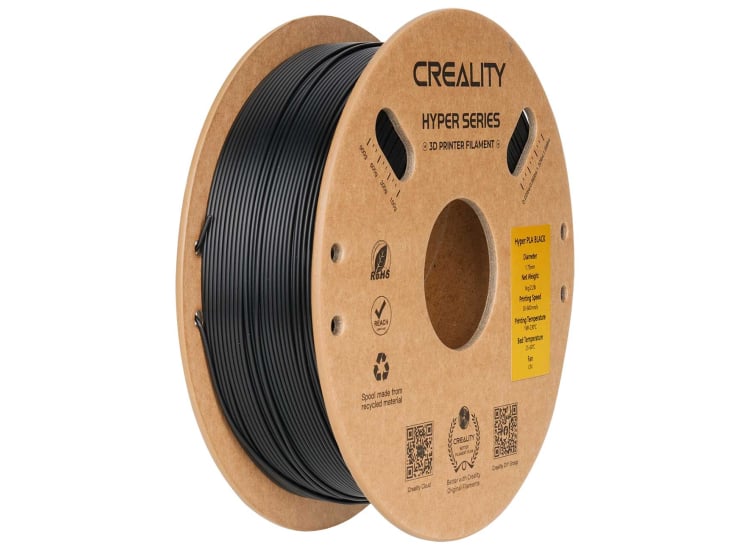
Creality’s filament lineup has evolved significantly, with innovations like the Hyper series enabling speeds up to 600mm/s on compatible printers like the K1 Max or K2 Pro. Their materials emphasize affordability, reliability, and compatibility, often featuring eco-friendly spools made from recycled materials. Standard specs across most Creality filaments include a 1.75mm diameter, 1kg spool weight, and dimensional accuracy of ±0.02mm or better. Colors vary widely, from basics like black and white to vibrant options like rainbow blends.
Understanding Creality Filament Types: An Overview
Creality categorizes its filaments into standard, high-speed, specialty, and engineering grades. Popular lines include CR-Series (budget-friendly basics), Hyper Series (for speed demons), and composites like PLA-CF. Here’s a quick comparison table to get started:
| Filament Type | Key Material | Print Temp (°C) | Bed Temp (°C) | Max Speed (mm/s) | Strength (MPa) | Best For | Price Range ($/kg) |
|---|---|---|---|---|---|---|---|
| CR-PLA | Polylactic Acid | 190-230 | 0-60 | 30-70 | ~50 | Beginners, Decorative | 15-25 |
| Hyper PLA | Enhanced PLA | 190-220 | 0-60 | Up to 600 | 50-60 | High-Speed Prototypes | 18-35 |
| CR-ABS | Acrylonitrile Butadiene Styrene | 220-260 | 80-110 | 40-60 | ~40 | Durable Parts | 20-30 |
| CR-PETG | Polyethylene Terephthalate Glycol | 220-250 | 70-90 | 30-60 | ~50 | Tough, Transparent | 25-35 |
| CR-TPU | Thermoplastic Polyurethane | 190-220 | 0-60 | 20-40 | ~25 | Flexible Items | 30-40 |
| Hyper PLA-CF | PLA + Carbon Fiber | 190-220 | 0-60 | Up to 300 | 60+ | Engineering Strength | 35-45 |
| CR-ASA | Acrylonitrile Styrene Acrylate | 240-260 | 90-110 | 40-60 | ~45 | Outdoor Use | 22-30 |
| CR-PA (Nylon) | Polyamide | 240-280 | 80-100 | 30-50 | 50-60 | High-Impact | 40-50 |
Data sourced from Creality’s official parameters and comparisons. Now, let’s break down each major type in detail.
CR-PLA: The Beginner-Friendly Staple
Creality’s CR-PLA is the go-to Creality filament for newcomers. Made from biodegradable polylactic acid derived from corn starch, it’s eco-friendly and easy to print. Specifications include a printing temperature of 190-230°C (recommended 200°C), bed temperature of no heat to 60°C, and speeds of 30-70mm/s (optimal 50mm/s). It offers good rigidity with a tensile strength around 50MPa and comes in various colors like white, black, and silk variants.
Benefits: Low warping, excellent layer adhesion, smooth surface finish, and no toxic fumes. It’s affordable and doesn’t require an enclosure, making it ideal for open-frame printers like the Ender-3 V3. Users praise its tangle-free spools and consistent diameter for fewer clogs.
Recommended Projects: Prototypes, toys, decorative models, and educational prints. For example, print custom phone stands or figurines where detail matters but strength isn’t critical.
Why Not for Some Projects: PLA softens at around 60°C, so avoid it for heat-exposed items like car parts or kitchen tools. It’s also brittle under impact, making it unsuitable for functional gears or tools that need durability. Opt for ABS or PETG instead for those.

Amazon.com: Creality Hyper PLA Filament 1.75mm Grey & Grey 2KG, 30-600mm/s Rapid High Speed PLA 3D Printer Filament, 2 Pack 1kg Spool(2.2lbs) PLA, Dimensional Accuracy +/-0.02mm, Fit Most FDM 3D Printer :
Hyper PLA: Speed and Performance Redefined
The Hyper PLA series is Creality’s flagship for high-speed printing, compatible with RFID for auto-settings on AMS-equipped printers. Specs: 190-220°C nozzle, 0-60°C bed, speeds up to 600mm/s, and enhanced flow rate for reduced jamming. Tensile strength is 50-60MPa, with options like Hyper Rainbow for multi-color effects.
Benefits: Exceptional fluidity at high speeds, tougher than standard PLA (more impact-resistant), and eco-friendly with cardboard spools. Reviews highlight its short color transitions in rainbow variants and minimal stringing. It’s perfect for Creality’s K1/K2 series, cutting print times by up to 75%.
Recommended Projects: Rapid prototypes, cosplay props, and batch production. Use it for detailed models like statues or functional brackets where speed is key.
Why Not for Some Projects: While tougher, it still lacks heat resistance (similar to PLA at 60°C). Not ideal for outdoor or high-stress applications—switch to ASA or CF variants for those.
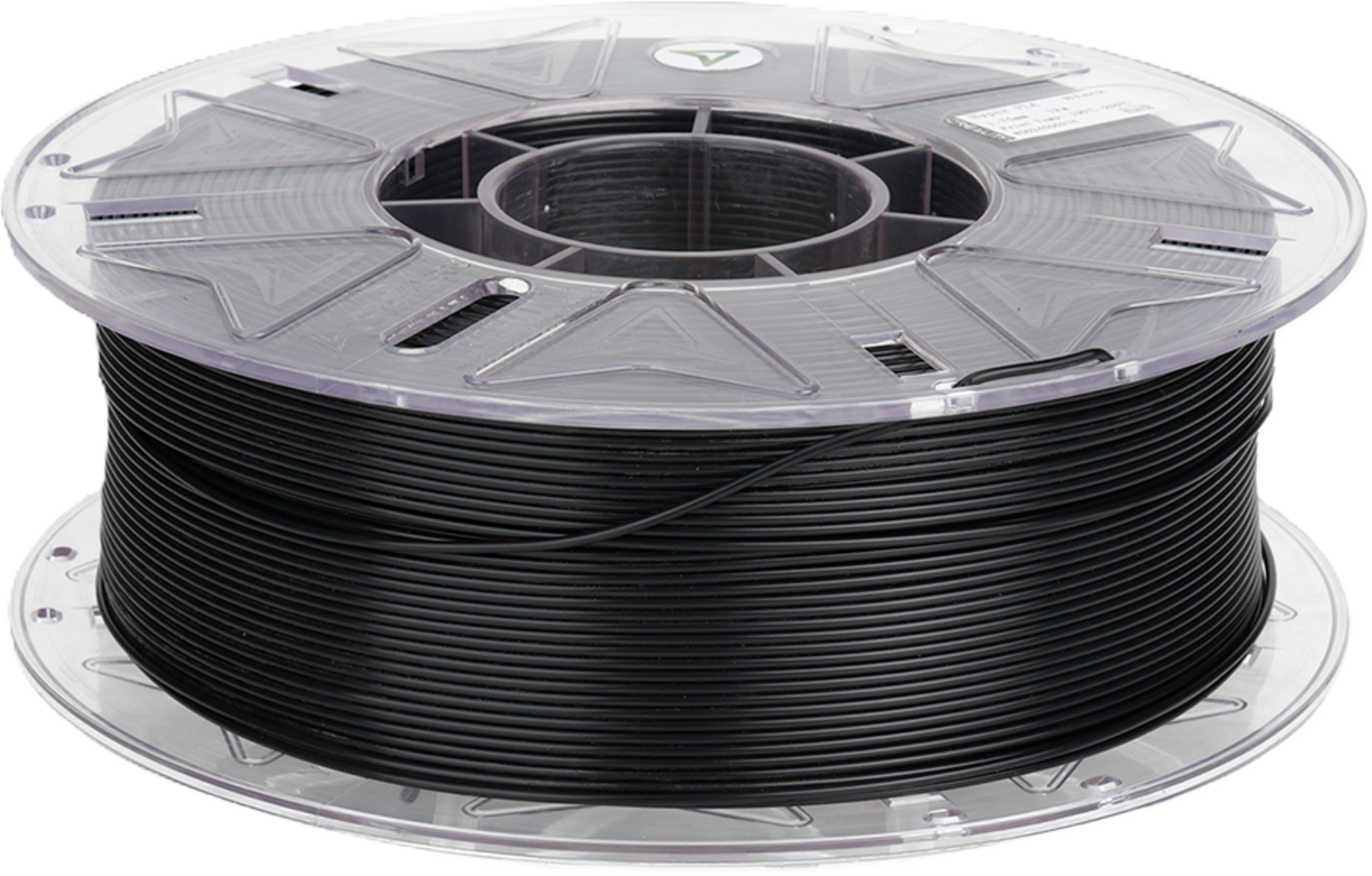
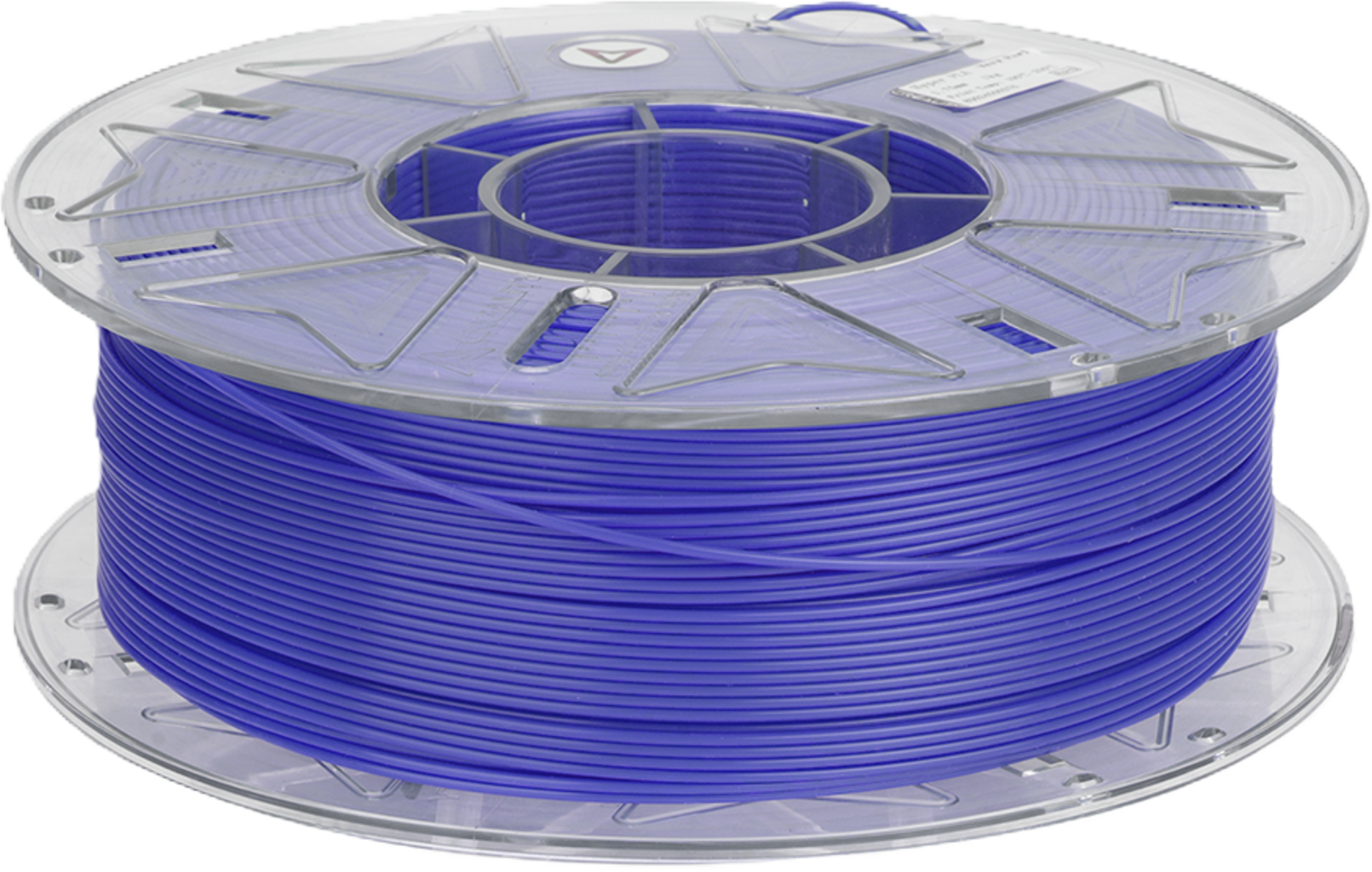
CR-ABS: Durability for Functional Prints
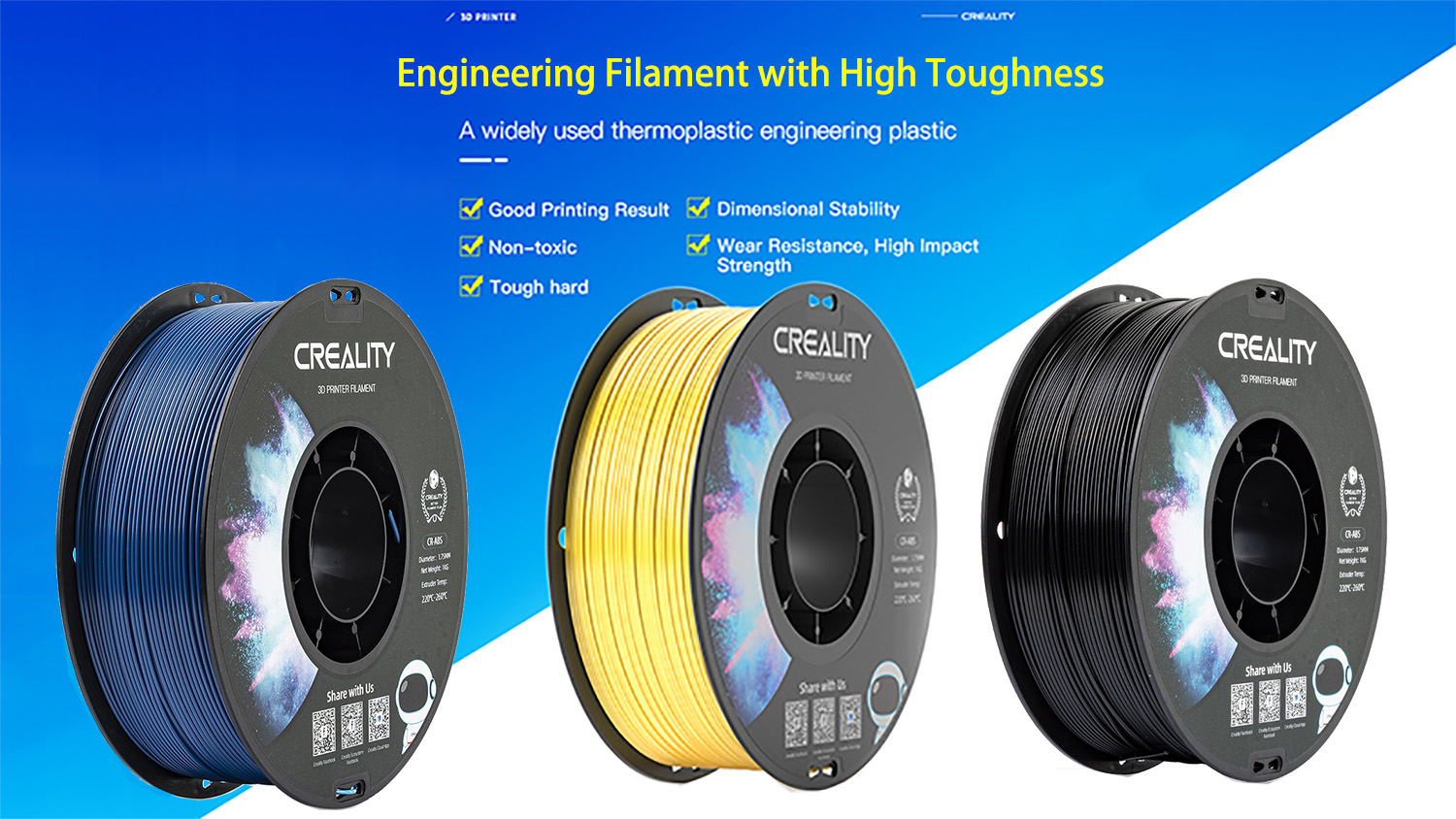
CR-ABS is Creality’s answer for tough, heat-resistant parts. Printing specs: 220-260°C (recommended 240°C), bed 80-110°C, speeds 40-60mm/s. It has a tensile strength of ~40MPa and is available in colors like black, yellow, and blue.
Benefits: Superior impact resistance, heat tolerance up to 100°C, and good chemical stability. It’s non-toxic when printed properly and offers dimensional stability for precise fits. Enclosures help minimize warping.
Recommended Projects: Automotive parts, tool handles, and enclosures. Great for items like drone frames or custom brackets that endure stress.
Why Not for Some Projects: Prone to warping without an enclosure, emits fumes (use ventilation), and is more toxic than PLA. Avoid for food-contact or outdoor use (UV degrades it)—PETG or ASA are better alternatives.

CR-PETG: Toughness and Transparency
PETG from Creality combines strength and clarity. Specs: 220-250°C nozzle, 70-90°C bed, 30-60mm/s speed, ~50MPa strength. Colors include transparent and solid hues.
Benefits: High toughness, chemical resistance, and low shrinkage. It’s food-safe in some formulations and prints with less warping than ABS.
Recommended Projects: Bottles, vases, and mechanical parts like gears. Ideal for transparent prototypes or impact-resistant tools.
Why Not for Some Projects: Prone to stringing and oozing; requires tuning. Not as heat-resistant as ABS (75°C max), so skip for high-temp environments.


CR-TPU: Flexibility in Action
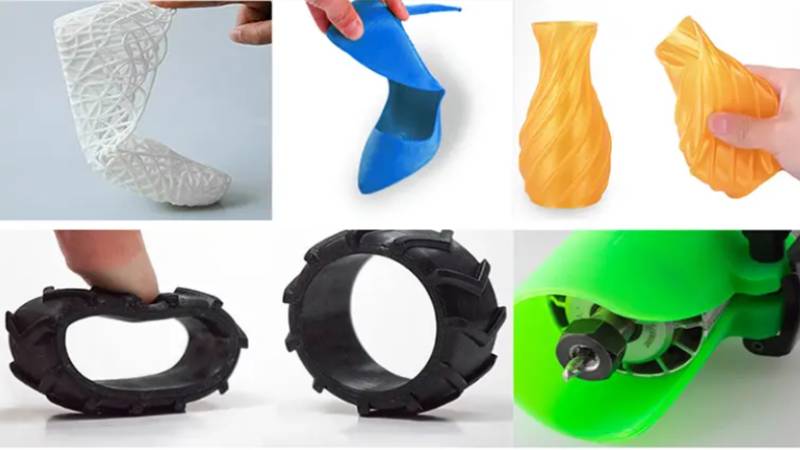
Creality’s TPU is for soft, rubber-like prints. Specs: 190-220°C, 0-60°C bed, slow speeds (20-40mm/s), Shore A hardness ~95, low strength ~25MPa.
Benefits: Excellent elasticity, vibration damping, and wear resistance. Prints adhere well without adhesives.
Recommended Projects: Phone cases, gaskets, tires, and wearables. Perfect for flexible prototypes like belts or seals.
Why Not for Some Projects: Difficult to print fast; strings easily. Not rigid enough for structural parts—use PLA or ABS instead.
Hyper PLA-CF and Composites: Engineering-Grade Strength
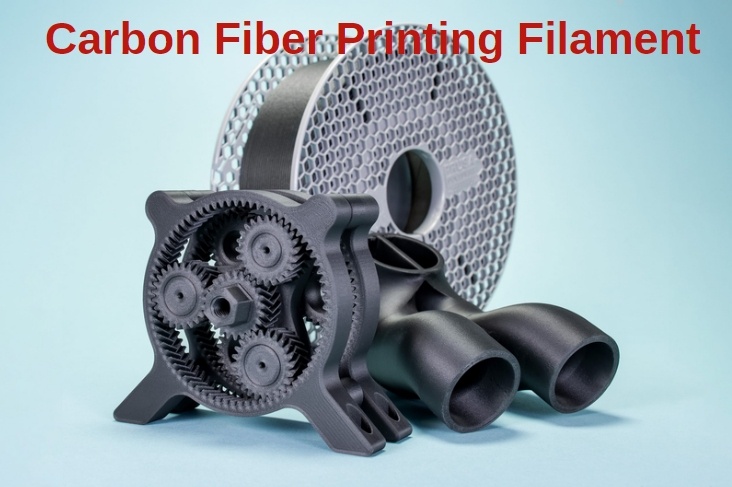
Hyper PLA-CF adds carbon fiber for stiffness. Specs: 190-220°C, up to 300mm/s, 60+ MPa strength. Other composites like CR-Wood or CR-PA offer unique textures or impact resistance.
Benefits: Lightweight yet strong, abrasion-resistant, and matte finish. Great for reducing weight in drones or tools.
Recommended Projects: Gears, brackets, and aerospace prototypes. Use for high-stress functional parts.
Why Not for Some Projects: Abrasive (wears nozzles); requires hardened steel nozzles. Not flexible—avoid for bendy items.
Specialty Filaments: ASA, Wood, and More
CR-ASA mirrors ABS but with UV resistance (240-260°C, 90-110°C bed). CR-Wood provides a wooden texture (190-230°C). Benefits include weatherproofing for ASA and aesthetics for Wood.
Recommended: ASA for outdoor signs; Wood for artistic models.
Why Not: ASA warps like ABS; Wood clogs easily.
Choosing the Right Creality Filament for Your Project
- Beginner/Decorative: CR-PLA or Hyper PLA.
- Functional/Durable: CR-ABS, PETG, or PLA-CF.
- Flexible: TPU.
- High-Speed: Hyper series.
- Engineering: PA or CF composites.
Avoid mismatching: Don’t use TPU for rigid needs or PLA for heat. Reviews from Reddit and forums recommend starting with eSun or Creality for reliability, but Creality shines in ecosystem integration.
Tips for Success with Creality Filaments
Dry filaments (especially hygroscopic ones like PA), use enclosures for ABS/ASA, and calibrate your printer. Creality Cloud slicer optimizes settings.
Conclusion: Elevate Your Prints with Creality Filament
Creality’s range offers value, innovation, and versatility for 2026 projects. From affordable CR-PLA to advanced Hyper PLA-CF, there’s a filament for every maker. Shop our site for the latest deals and start printing today!